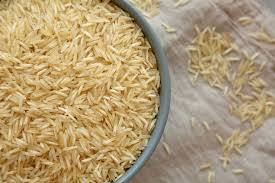
"Breyani rice" is a term commonly used in South Africa and other regions to refer to the long-grain rice, most often basmati, used to make the spiced rice dish known as biryani. The term isn't a separate rice variety but refers to a quality of rice, typically aged basmati, prized for its aromatic fragrance, delicate flavor, and long, fluffy grains.
Uses of biryani rice
Biryani and pulao: The primary use is in making flavorful rice dishes like biryani and pulao, where the individual grains remain separate and fluffy, absorbing the flavors of the spices and meats.
Accompaniment to curries: The light and aromatic qualities of biryani rice make it an ideal side dish for a variety of curries and stews, as it complements the flavors without overpowering them.
Fried rice: It can also be used for fried rice, as the non-sticky grains produce a pleasing texture.
Other rice-based dishes: Biryani rice is a versatile option for other savory rice dishes where a light and fluffy texture is desired.
Benefits of biryani rice (primarily basmati)
The health benefits of biryani rice are derived from its properties as a type of long-grain rice, particularly when referring to basmati rice:
Low glycemic index (GI): Aged basmati rice has a lower glycemic index compared to other types of rice, meaning it releases energy more slowly and can help regulate blood sugar levels.
Rich in nutrients: Biryani rice is a good source of essential nutrients, including carbohydrates for energy, B vitamins like thiamine, as well as minerals such as iron, magnesium, and selenium.
High in fiber: Many varieties contain a significant amount of dietary fiber, especially brown basmati rice, which promotes digestive health and can reduce the risk of certain health conditions.
Helps manage weight: The fiber in biryani rice helps promote feelings of fullness, which can support weight management efforts.
Gluten-free: As a naturally gluten-free grain, it is safe for individuals with celiac disease or gluten sensitivity.
Source of energy: Biryani rice is an excellent source of carbohydrates, providing the body with sustained energy.
Boosts immunity: When cooked as a part of biryani with its traditional spices like turmeric, cumin, and ginger, the dish gains antioxidant and anti-inflammatory properties, which can help boost the immune system.
Important considerations
Sodium and fat content: The overall health benefits of a biryani dish depend heavily on the preparation method. Excessive use of oil, ghee, and salt can increase the fat and sodium content.
Added ingredients: The choice of lean protein (like chicken) and the addition of vegetables can make biryani a much healthier and more nutrient-dense meal.
Portion control: As biryani can be high in calories, moderation and portion control are essential for a balanced diet.
